LBW Rule Explained: When Is a Batter Out Leg Before Wicket?
The LBW rule explained step by step: where the ball must land, where it must hit the batter, and why it must be going on to hit the stumps for an out.
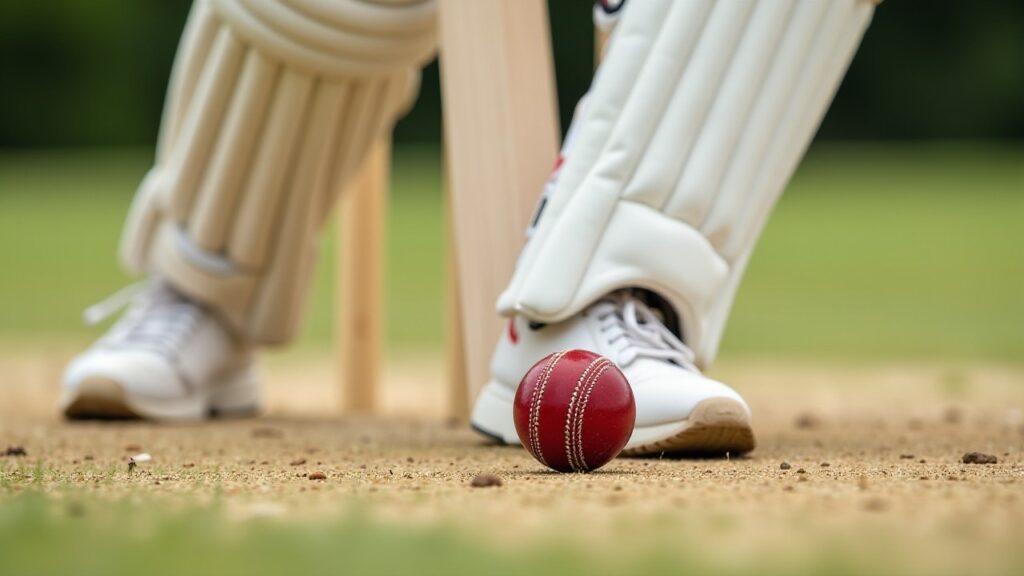
A batter is out LBW (leg before wicket) when a fair delivery that has not touched the bat hits their body, and the ball would otherwise have gone on to hit the stumps. Where the ball landed and where it struck the batter also matter. Law 36 of the MCC Laws of Cricket lists the conditions, and every one of them must be met. If even one fails, the batter is not out.
The Five Conditions in Law 36
For an LBW dismissal, all five of these must be true.
- A fair delivery: the ball has not been called a no ball.
- Where the ball lands: if the ball bounces before reaching the batter, its first bounce must be in the strip between the two sets of stumps, or to the off side of the batter’s stumps.
- Body before bat: the batter stops the ball with some part of their body, on the full or after it bounces, and the ball has not touched the bat first.
- Point of impact: the ball must hit the batter in line between the two wickets. There is one exception, explained below, for a batter who does not genuinely try to play the ball with the bat.
- Going on to hit the wicket: had the batter’s body not been in the way, the ball would have hit the stumps.
The umpire has to be satisfied on each point before giving the batter out.
Breaking Down Each Condition
Fair Delivery
If the umpire calls a no ball, an LBW dismissal is not possible. Being bowled, caught or stumped are ruled out on a no ball in the same way.
Where the Ball Lands
“Between wicket and wicket” means the strip running straight down the pitch from one set of stumps to the other. A ball that first lands inside that strip, or on the off side of it, can lead to an LBW. A ball that first lands outside the line of leg stump, on the on side, cannot.
Which side counts as the off side is fixed by how the striker is standing as that delivery begins. The ball comes into play when the bowler begins the run-up, or begins the bowling action if there is no run-up. So the off side is judged from the batting position the striker had at that moment, even if they move afterwards.
If the ball hits the batter before it has bounced, the landing test does not apply.
Body Before Bat
If the ball touches the bat before it hits the batter’s body, LBW is ruled out. When the ball strikes bat and body at exactly the same moment, the Law counts the bat as having been hit first. That works in the batter’s favour. Only the ball’s first contact with the batter matters when checking contact, impact and whether it would have hit the stumps.
Point of Impact
In the usual case, the ball must hit the batter somewhere in line between the two wickets. Impact above the height of the bails still counts.
The exception covers a batter who offers no real shot with the bat. For that batter, an impact outside the line of off stump can also lead to an LBW, as well as an impact in line.
An impact outside the line of leg stump never leads to an LBW.
Would It Have Hit the Wicket?
The umpire has to decide if the ball would have gone on to strike the stumps had the batter not been in the way. To do this, Law 36 asks the umpire to treat the ball as if it had carried on along the path it was following just before it hit the batter. It makes no difference whether the ball might have bounced later on.
Appeals and Who Gives the Decision
As with most dismissals, LBW is only given when the fielding side appeals. Under Law 31, an umpire does not give a batter out without an appeal from a fielder, even if the batter is out under the Laws. LBW appeals are answered by the umpire at the bowler’s end.
LBW Reviews in Test Matches
In Test matches, the ICC playing conditions include a Decision Review System (DRS), which allows certain on-field decisions to be checked. For an LBW review, the third umpire first confirms that the delivery was fair and that the ball did not touch the bat before hitting the batter. Ball-tracking technology then gives three pieces of information: where the ball landed, where it first struck the batter, and whether it would have hit the wicket.
The Test conditions also include umpire’s call. When the technology shows a marginal outcome for the point of impact or for hitting the stumps, the on-field decision stands. A ball that the technology shows landing outside leg is not out.
A Quick LBW Checklist
To judge an LBW appeal yourself, go through these questions in order:
- Was it a fair delivery, not a no ball?
- Did it land in line or on the off side, rather than outside leg stump?
- Did it hit the body before the bat?
- Was the impact in line, or outside off stump with no genuine shot offered?
- Would it have gone on to hit the stumps?
Five yeses mean out. One no means not out.
Frequently Asked Questions
Can a batter be out LBW if the ball lands outside leg stump?
No. Under Law 36 the ball must first land in line between the two wickets or on the off side. A ball that first lands outside the line of leg stump cannot lead to an LBW.
Can a batter be out LBW if the ball hits them above the bails?
Yes. Law 36 lets an impact count even when it is higher than the bails, provided every other condition is met, including the ball going on to hit the stumps.
What happens if the ball hits the bat and pad at the same time?
Law 36 counts simultaneous contact with bat and body as the ball hitting the bat first. Because an LBW needs the ball to reach the body before the bat, that delivery cannot lead to an LBW.